


The evolution of casinos tracing their rich history and cultural impact
The evolution of casinos tracing their rich history and cultural impact
The Origins of Casinos
The concept of casinos dates back to ancient civilizations, where various forms of gambling were practiced. Historical records suggest that the Chinese were among the first to engage in gambling activities as early as 2300 BC. Games involving dice and betting became part of social gatherings, evolving gradually through the ages. As societies grew, so did the complexity of these gaming practices, leading to organized establishments where individuals could wager on various games. Many players today even enjoy the ice fishing game pakistan as part of their gaming repertoire.
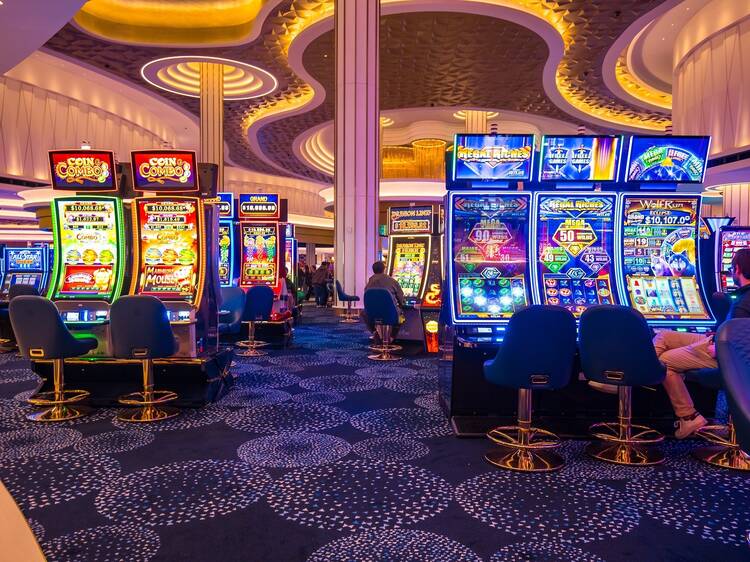
In ancient Rome, gambling was a common pastime among the elite and even the common people. The Romans not only enjoyed games of chance but also developed a structured form of gambling that included betting on gladiatorial contests and chariot races. This laid the groundwork for the emergence of more formal gaming houses in later periods. As gambling became ingrained in the social fabric, laws were enacted both to regulate and to restrict these activities, reflecting societal attitudes towards risk and reward.
During the Middle Ages, the concept of gambling shifted as the church began to denounce it, branding it a vice. Despite this, clandestine betting continued, leading to the establishment of private gambling houses. These establishments were often luxurious and exclusive, attracting the wealthy and powerful. The evolution of casinos during this period reflects not only a fascination with chance but also the social status and power dynamics at play within society.
The Rise of Modern Casinos
The modern casino, as we know it, began to take shape in the 17th century. The first official casino, the Ridotto, opened in Venice in 1638, providing a controlled environment for gambling and entertainment. This establishment was revolutionary as it combined the allure of games of chance with social gathering and entertainment, setting the stage for future casinos. The concept quickly spread across Europe, adapting to local cultures and preferences.
By the 19th century, casinos were blossoming across Europe, particularly in cities like Monte Carlo, which became synonymous with luxury gambling. The introduction of new games, such as roulette and blackjack, attracted visitors from around the world. The glamour of these casinos symbolized not just a place for gambling but an experience filled with opulence and excitement. This period marked a significant turning point, as the societal perception of casinos shifted from mere vice to an accepted form of entertainment.
The 20th century saw the expansion of casinos beyond Europe. Las Vegas emerged as a gambling capital in the United States, reinventing the casino experience with extravagant themed resorts and an emphasis on entertainment. This American influence further popularized casinos, making them a global phenomenon. The combination of gambling, shows, and dining turned casinos into multifaceted entertainment venues, attracting millions of visitors annually.
Cultural Impact of Casinos
The cultural impact of casinos extends beyond mere entertainment. They have influenced art, literature, and film, becoming symbols of luck, chance, and human behavior. For instance, many films depict casinos as settings for high-stakes dramas, exploring themes of risk and reward. Iconic films like “Casino Royale” showcase the allure and dangers of gambling, reflecting societal fascination with the lifestyle surrounding casinos.
Moreover, casinos have played a role in shaping local economies. Many cities have embraced casinos as a means to boost tourism and create jobs. For example, Atlantic City and Las Vegas rely heavily on their casino industries to sustain their economies. The financial influx from tourism has spurred development in other sectors, including hospitality and retail, demonstrating how casinos can impact regional growth.
Socially, casinos also serve as gathering places, fostering a sense of community among patrons. Events, competitions, and themed nights create opportunities for social interaction, helping to build relationships and networks. However, they also raise questions about responsible gambling and addiction, prompting discussions about the need for regulations and support systems to protect vulnerable individuals. The dual nature of casinos as social hubs and potential pitfalls underscores their complex cultural significance.
The Evolution of Casino Etiquette
As casinos have evolved, so too has the etiquette surrounding them. Understanding casino etiquette is crucial for both newcomers and seasoned players, as it reflects respect for the gaming environment and fellow players. For instance, maintaining a polite demeanor at the gaming tables, understanding betting protocols, and being aware of personal space are all essential aspects of casino culture. This etiquette not only enhances the gaming experience but also fosters a respectful atmosphere among patrons.
Furthermore, dress codes and formal behavior can vary from one casino to another. While some casinos encourage casual attire, others expect a more formal presentation. Adhering to these standards not only demonstrates respect for the establishment but also enhances the overall ambiance of the casino. This aspect of etiquette plays a significant role in shaping the experience for visitors, contributing to the luxurious and sophisticated environment that many casinos strive to maintain.
Additionally, the rise of online casinos has transformed traditional etiquette practices. As digital platforms grow in popularity, understanding the new norms for online gambling becomes essential. This includes recognizing the importance of responsible gaming, treating virtual dealers with respect, and maintaining decorum in chat rooms. Adapting to these evolving practices ensures that players continue to experience the thrill of gambling while engaging positively in both physical and virtual settings.
The Future of Casinos
As technology continues to advance, the future of casinos is set to evolve even further. Innovations such as virtual reality and augmented reality are paving the way for immersive gaming experiences that blur the lines between reality and the digital world. These technologies promise to revolutionize how players engage with games, creating environments that enhance excitement and interaction. The potential for virtual casinos could reach audiences worldwide, regardless of geographical constraints.
Moreover, the integration of artificial intelligence is likely to change the landscape of casino operations. AI can enhance personalized experiences, from recommending games to managing customer service. This shift towards a more tailored gaming experience can foster loyalty among players, encouraging them to return. As casinos embrace these technological advancements, they must also prioritize responsible gambling measures to ensure that these innovations do not compromise player safety.
In addition to technological advancements, the cultural perception of casinos will continue to evolve. As societal attitudes towards gambling shift, casinos may adapt their offerings to align with changing values. This could include a greater emphasis on entertainment, social responsibility, and community engagement. The future of casinos will likely reflect a blend of tradition and innovation, balancing the rich history of gambling with the demands and expectations of a modern audience.

Conclusion: The Modern Casino Experience
The evolution of casinos is a testament to their enduring significance in society. From their humble beginnings in ancient civilizations to the glamorous resorts of Las Vegas, casinos have continually adapted and transformed, reflecting cultural trends and societal values. Their impact is evident not only in the entertainment industry but also in local economies and communities.
Understanding the history, cultural impact, and etiquette of casinos enriches the experience for all players. As the industry evolves, embracing new technologies and societal values will be crucial in shaping the future of gambling. The modern casino experience promises to be as thrilling and engaging as its storied past, while also being mindful of the challenges and responsibilities that come with it.