


Exploring the social aspects of gambling: Is it a community activity?
Exploring the social aspects of gambling: Is it a community activity?
The Community Nature of Gambling
Gambling often transcends individual play, morphing into a community activity that fosters connections among participants. From local poker games in basements to raucous nights at bustling casinos, the act of betting can create a vibrant social environment. The thrill of the gamble becomes more exhilarating when shared with friends or strangers alike. This social dimension can offer both a sense of belonging and an opportunity for engagement, elevating the appeal of gambling beyond mere financial stakes.
Additionally, many people find that discussions surrounding strategies, stories, and experiences enhance their overall enjoyment. It’s not uncommon for people to share tales of their biggest wins or laments of losses, creating an atmosphere of camaraderie. This bonding experience extends into online spaces as well, with forums and chatrooms filled with enthusiasts eager to share their thoughts and strategies. https://pincocasinos.com/
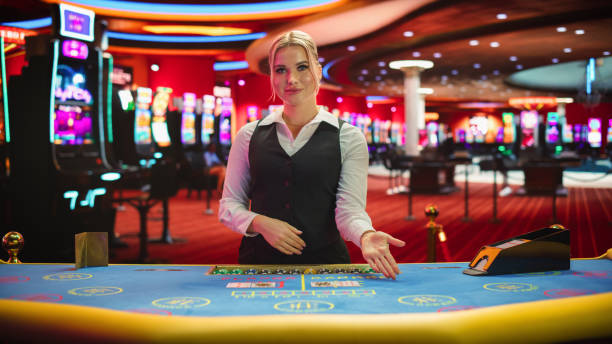
The community aspect of gambling can also help reduce feelings of isolation. Many individuals participate in gambling not only for the thrill but also as a way to connect with others. Whether it’s as simple as a friendly chat or as significant as forming deep-rooted friendships, the shared interest in games of chance provides a common ground that can transform strangers into companions. This can be particularly beneficial for those who may feel socially isolated in other aspects of their lives.
The Role of Social Interaction
Human beings are inherently social creatures, and this is no different when it comes to gambling. Whether it’s playing cards at a friend’s house or joining a large crowd at a sporting event, the opportunity for interaction is endless. Gamblers often engage in lively banter, celebrate victories together, and even commiserate over losses. This shared experience can create lasting friendships and strengthen existing ties, making the act of gambling not just about the game, but also about the people involved.
Moreover, social gatherings centered around gambling often serve as important rituals for various communities. Events like bridal showers, birthday parties, or even casual get-togethers can incorporate games of chance, reinforcing the notion that gambling is an avenue for socializing and enjoyment. The atmosphere filled with laughter and competitive spirits can transform a simple game into a memorable social occasion. In many cultures, these gatherings become a rite of passage, marking significant events in people’s lives while simultaneously bringing them closer together.

Cultural Perspectives on Gambling
The perception of gambling varies significantly across cultures, influencing its social aspects. In some traditions, games of chance are embraced as a form of entertainment and community bonding. Celebrations might include games that encourage participation from all ages, highlighting the role of gambling in fostering communal ties. On the flip side, some cultures view gambling with skepticism or disapproval, which can limit its community acceptance and participation.
Despite these differing perspectives, events like regional fairs or festivals often include games of chance, illustrating that gambling can bring together people from various backgrounds. These occasions become platforms for cultural exchange and understanding, encouraging connections that might not otherwise occur. This diversity adds richness to the social fabric of gambling, making it a unique community-driven experience. The blend of traditions presents opportunities for interaction, allowing people to learn from one another while sharing common interests in gaming.
The Impact of Technology on Social Gambling
The rise of online gambling platforms marks a significant shift in how people engage with gambling socially. Virtual casinos and betting sites allow individuals to connect with both friends and strangers, regardless of geographical boundaries. Online multiplayer games create a sense of community through shared experiences and competition, allowing for social interactions that were previously confined to physical spaces.
Additionally, social media has created a new arena for gamblers to share their experiences and strategies. Communities form around popular games, and players can communicate, share tips, and even celebrate each other’s successes from the comfort of their homes. While some traditionalists may argue that this detracts from the essence of gambling, the reality is that technology has expanded the community, providing new venues for connection. Online platforms also have threads and groups that cater to specific gambling interests, creating micro-communities that enhance engagement among niche audiences.
Discovering More About Gambling Communities
If you are curious about the social aspects of gambling and want to delve deeper into this vibrant community, consider exploring various resources available online. Websites dedicated to gambling often emphasize the importance of connecting with others, sharing experiences, and forming meaningful relationships through the love of the game.
Engaging with these platforms can not only enhance your understanding of the social dynamics at play but also introduce you to a network of like-minded individuals. As you navigate through discussions and resources, you might discover a community that resonates with you, making your gambling experience not just about the game, but also about the connections formed along the way. Many players also find that sharing experiences enhances their skills and strategies, creating a beneficial cycle of learning and socialization that enriches the overall gambling experience.
In conclusion, the multifaceted nature of gambling as a social activity serves to strengthen community bonds, foster friendships, and promote shared experiences. Whether through traditional gatherings or online platforms, the essence of community remains integral to the gambling experience, showcasing its role as a powerful social connector among diverse groups of people.